Se Habla Español


What Happens When Grease Traps Aren’t Properly Maintained
October 20, 2026
Every commercial kitchen sends fats, oils, and grease (FOG) down the drain. A grease trap catches that waste before it reaches the sewer, but only if it’s cleaned on schedule. At Grease Police, we see what happens when grease trap maintenance falls behind. This guide covers the most common consequences, the risks to your business, and how regular service keeps your kitchen running smoothly.
Clogged Drains and Sewer Backups
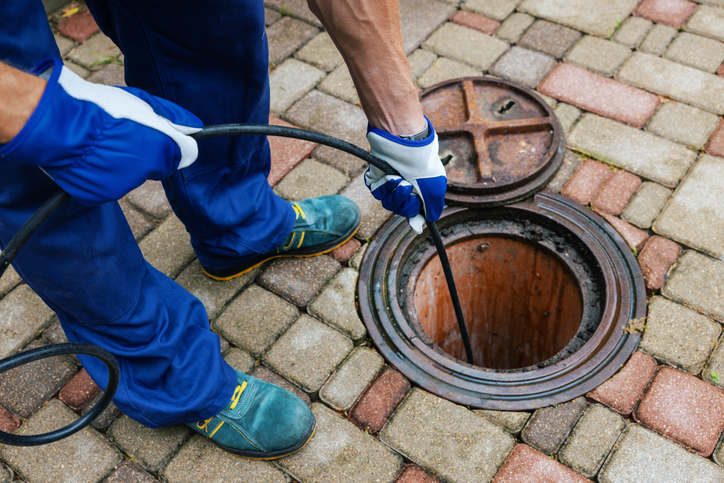
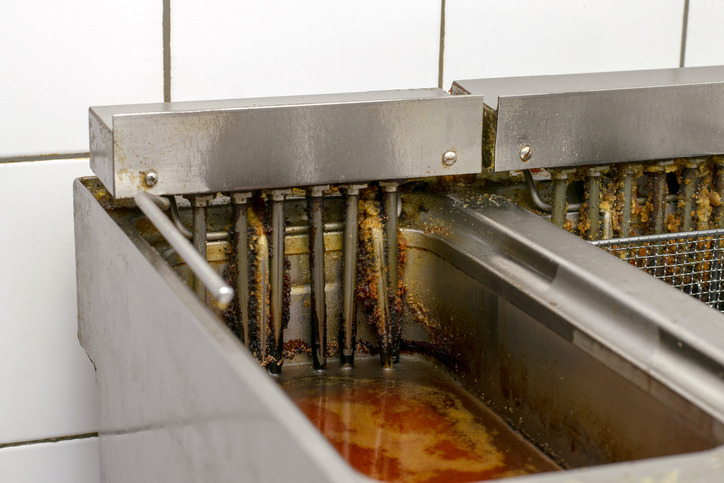
As a grease trap fills, FOG and food solids harden and build up until wastewater can’t flow through. Sinks drain slowly, then stop. In the worst cases, dirty wastewater backs up through floor drains, forcing you to close mid-service.
Grease that escapes an overloaded trap can also harden in city sewer lines. That can create blockages beyond your property and draw unwanted attention from local authorities.
Foul Odors That Drive Customers Away
Inside a neglected trap, trapped food waste rots and releases hydrogen sulfide and other gases. That rotten-egg smell can drift into dining rooms, restrooms, and parking lots. Great food can’t make up for an unpleasant first impression.
Health Code Violations and Fines
Most municipalities require food service businesses to maintain grease traps and keep service records. Inspectors can cite you for overflowing traps, missing paperwork, or sanitation concerns. Repeat violations may lead to fines, failed inspections, or even temporary closure.
Costly Grease Trap Repairs
Hardened grease and corrosive gases damage trap components and plumbing over time. A routine pump-out can turn into emergency line jetting, pipe repairs, or a full trap replacement. Add the lost revenue from downtime, and neglect quickly costs far more than maintenance.
Why Restaurants Face the Highest Risk
Restaurants, cafeterias, bakeries, and other high-volume kitchens produce large amounts of FOG every day. The busier your kitchen, the faster your trap fills. A common mistake is waiting until a problem appears. By then, the damage is often already done.
The Value of Professional Grease Trap Maintenance
Regular professional service stops these problems before they start. A solid maintenance plan should include:
- Scheduled pumping based on your kitchen’s volume
- Thorough cleaning of trap walls, baffles, and inlets
- Inspections to spot wear or damage early
- Service records that help you stay compliant
Many industry professionals follow the “25% rule.” Clean the trap before grease and solids fill a quarter of its capacity.
Grease Trap Services From San Antonio to Austin and Houston
Based in San Antonio and serving Austin and Houston, our team supports commercial kitchens that need things handled properly and kept on schedule, so they can stay focused on what matters most: running their business.
Get in touch with our team today!